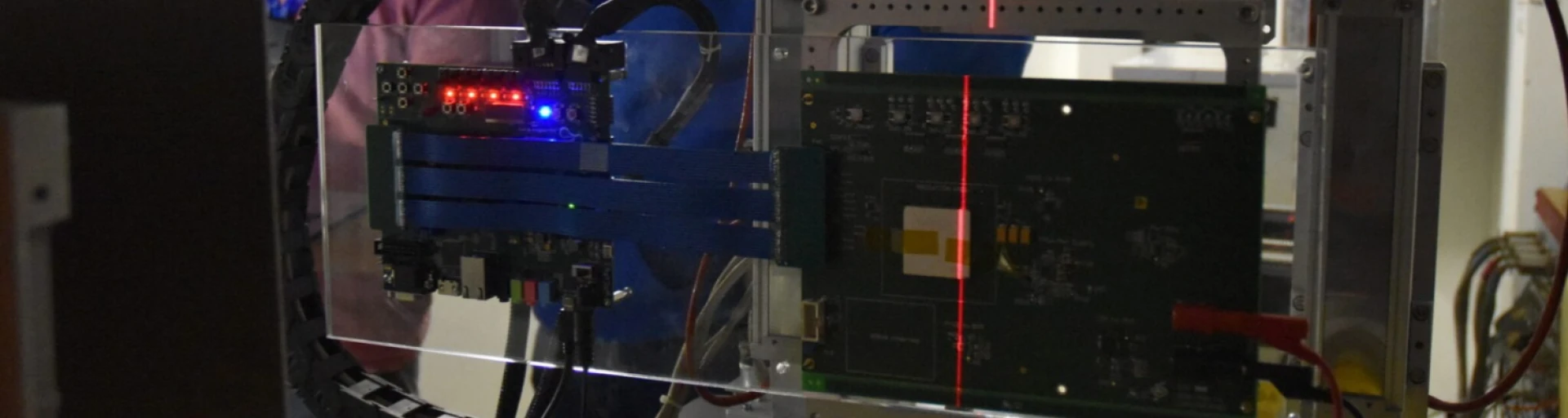


The energy demand of AI is growing rapidly, and with it the need for chips that can perform the same tasks using far less power. At the same time, Europe is largely dependent on suppliers from the United States and Asia for AI chips. The new challenge addresses both of these issues: reducing the energy consumption of AI and strengthening European design capabilities.
Two stages, ten million per finalist
NADI and SPRIND will select seven teams from the applications that have a promising idea for an energy-efficient AI chip. Each team will receive 2.6 million euros to develop that idea further. After eight months, the agencies will select the three strongest teams, each of which will receive a further 7 million euros. In addition to funding, both agencies will provide the participants with expert guidance.
Scope for high-risk innovation
NADI has been set up to fund innovations that are still too risky for private investors. The government is making a total of 500 million euros available for this purpose. The agency is following the example of the US-based DARPA, which has been contributing to breakthroughs such as GPS and self-driving cars for almost seventy years. Similar organisations have also emerged elsewhere in Europe in recent years, such as ARIA in the United Kingdom and SPRIND in Germany.
According to NADI co-founder Jelle Prins, current AI systems are far from efficient. He compares it to “doing the shopping with a removal van”. As far as he is concerned, NADI will have succeeded if the agency contributes to solving major social issues or to the emergence of new industries.
Building on Dutch strengths
SPRIND founder Rafael Laguna de la Vera highlights the Netherlands’ unique position. Thanks to ASML, our country ranks amongst the world’s leaders in chip manufacturing, but Europe still designs very few of the chips produced on these machines. Bridging that gap, in a market that has grown explosively in recent years, is, according to him, at the heart of the mission. He emphasises the importance of a long-term perspective: groundbreaking innovations can sometimes take fifteen years to come to fruition, and that requires political patience and the freedom for the agency to operate independently.
Structural investment in earning capacity
The establishment of NADI stems from the recommendations set out in the Wennink report on the Netherlands’ future earning capacity. That report cited a figure of between 1.5 and 2 billion euros. The current budget of 500 million euros is therefore a first step. Whether that investment will be increased in the coming years will be up to future governments.
Log in
Teams can register for the AI-Native Chip Design Challenge via the SPRIND website until 30 November: