

Ontwikkeling van een compacte adrenaline-injectiepen voor jongeren
Food allergies and life-threatening reactions
Food allergies affect 1 in 20 children in Western countries and carry an increasing risk of serious, life-threatening reactions such as anaphylactic shock. Rapidly administered adrenaline can save lives, but young people often do not carry existing injection pens due to their size and clumsiness, or they forget to carry them. This regularly results in emergencies, hospital admissions and even deaths.
An innovative solution: a compact, user-friendly injector
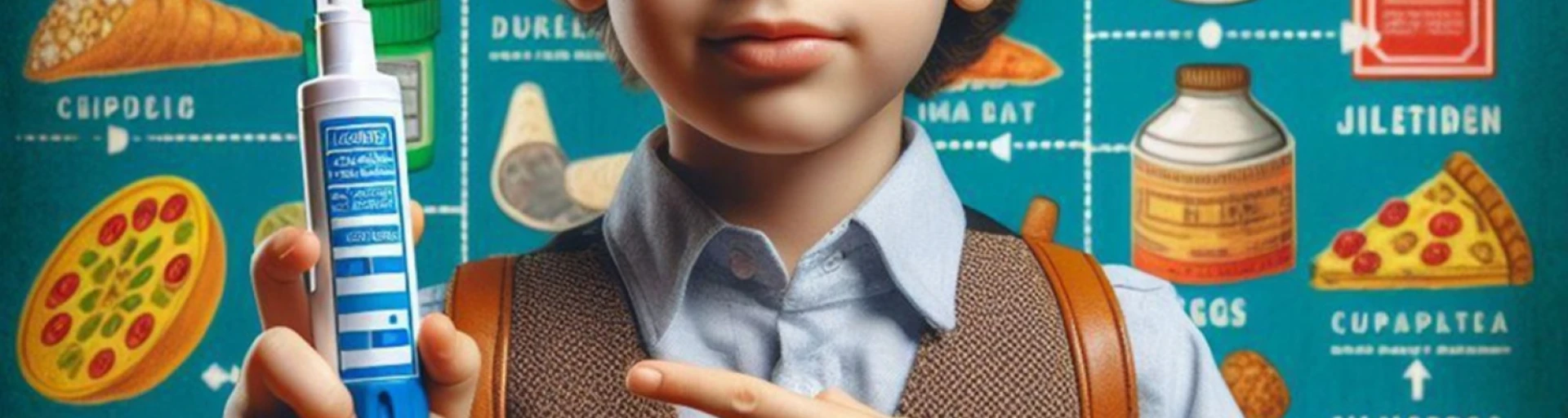
The project develops a user-friendly, compact alternative to adrenaline injectors that encourages young people to always carry them. Through collaboration between Saxion University of Applied Sciences, University of Twente, Deventer Hospital and PCV Group, an innovative redesign is initiated. It is investigated where traditional ampoules and spring mechanisms are replaced by new technologies, such as flexible blisters and air pressure systems. In addition to compactness, the focus is on ease of use and portability, so that young people can easily integrate the injector into their daily lives.
Impact: improving health and care
The project delivers a prototype of a compact adrenaline injector that young people actually always carry with them, which directly improves their mental and physical health. The results are further developed by PCV Group into a market-compliant product. This contributes to personalized care, reduces hospital admissions and lowers the pressure on care. The use of 3D printing technology enables an efficient and innovative development approach.