
First Dutch List of Critical Raw Materials adopted
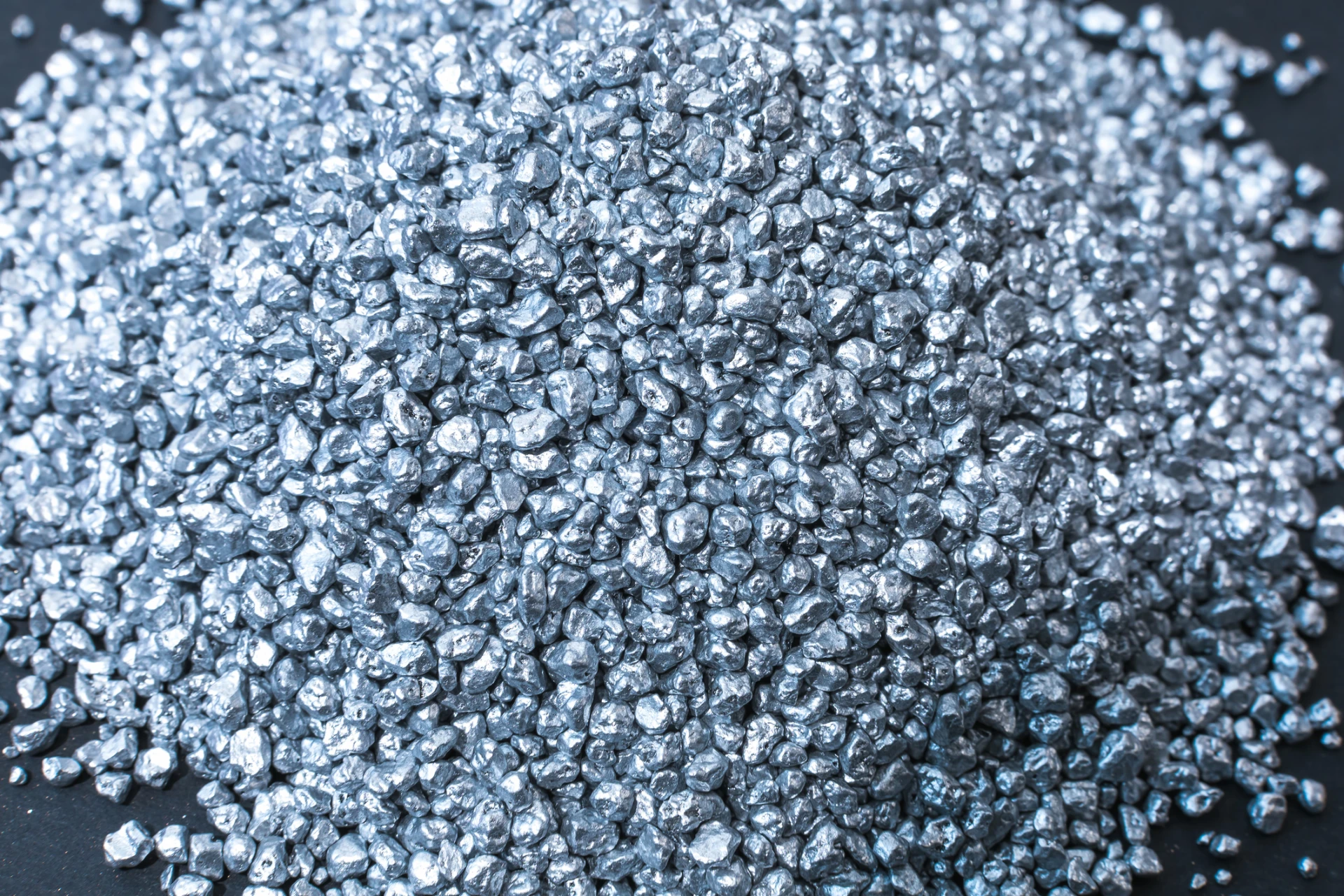
The first Dutch Critical Raw Materials List includes bismuth, coking coal, fluorspar, phosphorus, gallium, germanium, graphite, cobalt, lithium, magnesium, niobium, platinum group metals (such as rhodium and iridium), scandium, silicon, vanadium, tungsten and rare-earth elements. These 17 raw materials have been selected from the broader EU list of 34 critical raw materials to enable a targeted Dutch approach.
The Dutch list, drawn up on the advice of the Netherlands Materials Observatory (NMO), is based on two criteria. It involves an assessment of the risks of supply disruption. Consideration has also been given to the extent to which the added value of Dutch industrial sectors is exposed to those risks. A raw material is included on the list if more than 65 per cent of its global production comes from a single country, and that country is rated low by the World Bank for the quality of its governance.
In addition to this new list, the Netherlands is aligning itself with the European focus on security of supply for permanent magnets, batteries and the defence industry. Seven so-called roadmaps have also now been drawn up for circularity and resilience. These will enable the manufacturing industry, research institutions and public authorities to work together to promote reuse and ensure the security of supply of critical raw materials for military vessels, critical materials, batteries, solar power systems, offshore wind, electrolysers and climate control systems.
The Netherlands’ contribution to European security of supply
The Netherlands is well-positioned in the field of circular economy projects, the chemical sector for refining and recycling, and logistics for stockpiling. This enables the Netherlands to make a significant contribution to strengthening Europe’s security of supply of critical raw materials. For example, through the Netherlands Enterprise Agency, the Netherlands Foreign Investment Agency and public funding bodies, support is available for future Dutch initiatives in this field, with targeted business development focusing on permits and financing.
Countries outside Europe account for a significant proportion of global production
Non-EU countries currently play a decisive role in the extraction and production of the 34 critical raw materials, 17 of which have been designated as strategic (not the same as the Dutch list) by the European Union. The target for 2030 is therefore to extract 10 per cent of the EU’s annual consumption of these strategic raw materials within the EU, to refine 40 per cent within the EU and to recycle 25 per cent within the EU. Furthermore, the EU’s dependence on a single country for the supply of a strategic raw material must not exceed 65 per cent.
Ministers Heleen Herbert (Economic Affairs and Climate), Stientje van Veldhoven (Climate Policy and Green Growth), Sjoerd Sjoerdsma (Foreign Trade and Development Cooperation) and Dilan Yeşilgöz (Defence) today briefed the House of Representatives on the government’s commitment to ensuring the security of supply of critical raw materials and related semi-finished products and components.