
Europe is currently heavily reliant on suppliers outside the EU for key technologies. At the same time, demand for computing power is growing rapidly due to the rise of AI. The package aims to reduce structural dependencies and ensure that Europe can develop, deploy and secure the technologies on which its citizens rely.
Commission President Ursula von der Leyen immediately highlighted the urgency of the situation:
“We cannot afford to depend on others for the technologies that keep our hospitals running, our energy grids stable and our services secure. This is about protecting our citizens, defending our interests and making our own choices. Europe has the talent, the research excellence, the industrial base and the Single Market. Together, we must turn these strengths into technological sovereignty.”
Four pillars of technological autonomy
1. Chips Act 2.0 – semiconductors as the foundation for AI
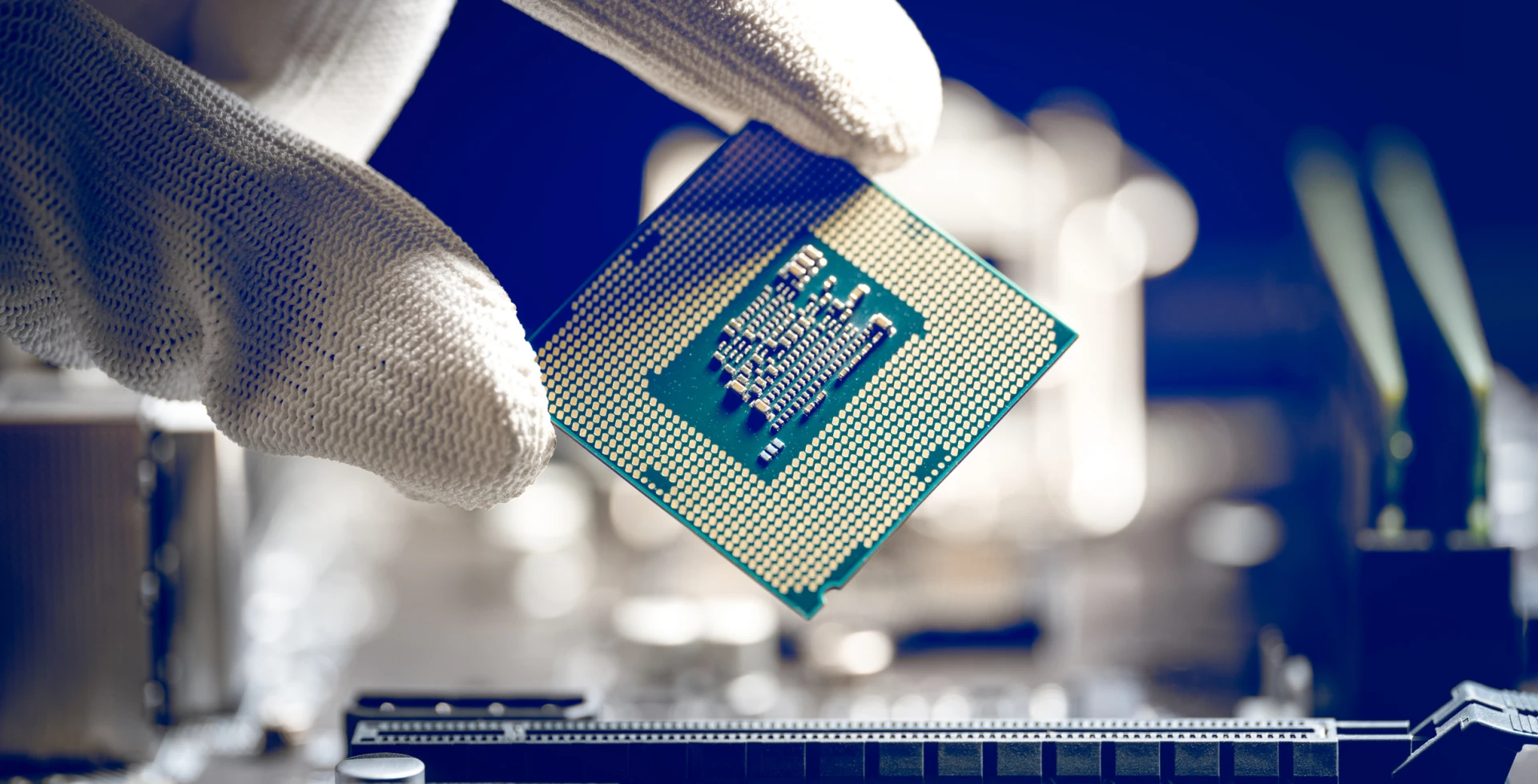
The original Chips Act (2023) was an initial response to vulnerabilities in the global semiconductor supply chain. The Chips Act 2.0 builds on European strengths, speeds up the licensing process, introduces a label of excellence for European chip regions and strengthens the link between chipmakers and customers in sectors such as data centres and AI Gigafactories.
2. Cloud and AI Development Act (CADA) – European cloud and AI capacity
This legislative proposal aims to triple data centre capacity in Europe within five to seven years. It supports research and innovation in sustainable technologies, simplifies the roll-out of data centres across the EU, and introduces a single European framework for assessing cloud and AI sovereignty. This will protect critical applications and sensitive data, whilst keeping the majority of the market open to like-minded partners.
3. Open Source Strategy – digital autonomy through open source
Europe has more than three million open-source contributors. The strategy builds on this by scaling up open-source alternatives in priority areas such as cloud computing, AI, cybersecurity and semiconductors. In addition, open-source start-ups are being supported, procurement guidelines for public authorities are being drawn up, and efforts are being made to improve the security and long-term management of open-source infrastructure.
4. Strategic roadmap for digitalisation and AI in the energy sector
The digitalisation of the energy sector is more urgent than ever, partly due to high energy prices and the growing demand for electricity from digital infrastructure. The roadmap focuses on AI solutions for smarter electricity grids, the accelerated roll-out of smart meters and the development of sovereign AI models for the energy sector, trained on European data by European companies.
Objective: Europe as an AI continent
Together, these measures should position Europe as a global leader in the development and application of AI, strengthen digital autonomy and contribute to a more sustainable digital future. Businesses, citizens and public authorities in the EU will have greater choice when it comes to key technologies. The package ties in with existing initiatives such as the Competitiveness Compass and the Economic Security Strategy.
Next steps
The two legislative proposals are currently being negotiated by the European Parliament and the Council of the EU. In July, the Commission expects to launch a call for AI Gigafactories. In addition, a consultation process will begin with Member States, the European Investment Bank and other stakeholders on the financing of technological sovereignty ambitions.
This package offers concrete opportunities for the Dutch high-tech ecosystem. With its strong position in semiconductor technology, the manufacturing industry and knowledge infrastructure, the Netherlands is well placed to play a key role in the European technological sovereignty agenda — precisely the arena in which Holland High Tech and the KIA Key Technologies are focusing their efforts.