

The plan is to add six technologies within which a security assessment can be carried out.
The six technologies are:
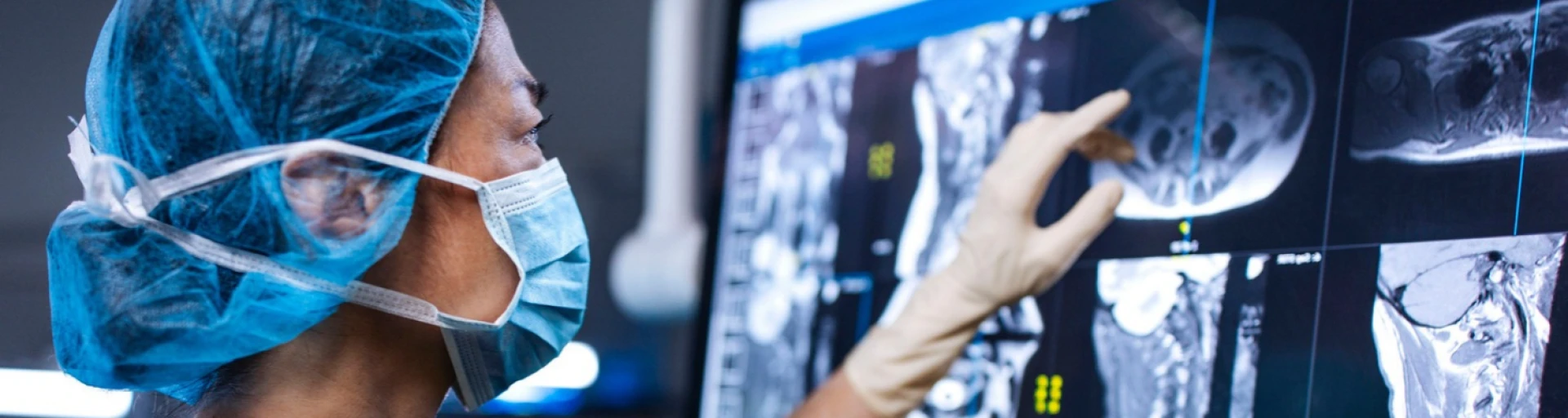
Biotechnology (in part, e.g. stem cell technology and plant breeding)
Artificial intelligence (AI)
Advanced materials
Nanotechnology
Sensor and navigation technology
Nuclear technology for medical use
Minister Heleen Herbert (Economic Affairs and Climate) has submitted the amendment to the decree on the scope of the Act to the House of Representatives and the Senate. The decree will then be submitted to the Council of State for its opinion.
Minister Heleen Herbert:
“As a minister, I want to make our society, our economy and our business community more resilient. This is urgently needed, as the international security situation has, unfortunately, deteriorated in recent years. The Netherlands is a target for cyber operations, espionage and sabotage. That is why, as a government, we must protect and strengthen knowledge, innovation and businesses. Our aim remains an open economy, but we are vigilant about risks.
By adding six new technologies to the legislation, we are taking a positive step for our security and public interests. At the same time, investing in our economy ourselves is also necessary. For example, by investing billions of euros extra in innovative technologies such as photonics, quantum computing, AI and cloud computing. But also by providing better funding for the growth of start-ups and scale-ups or by broadening value chains, such as in the chip sector.”
Current investment screening in sensitive technologies and critical sectors
In the Netherlands, investment screening is already carried out in relation to takeovers, mergers and other forms of investment in sensitive technology. For instance, the VIFO Act has been applying this since 2023 to the defence industry, quantum technology, photonics, semiconductors and dual-use technology (technology for both military and civilian use). Six further technologies will therefore be added as of 1 January 2027. Investment screening also takes place within certain vital sectors such as energy and digital infrastructure. This is carried out both through the Vifo Act and through sector-specific legislation such as the Undesirable Influence in Telecommunications Act (2020) or the Energy Act.
The Investment Screening Office (BTI) of the Ministry of Economic Affairs and Climate Policy assesses, as part of the investment screening process, whether there is a risk to national security. If risks are identified, conditions may be attached to the investment and, in extreme cases, the BTI may prohibit it (in whole or in part).
The reports, investigations and findings relating to investments, mergers and acquisitions that the BTI examines under the Vifo Act are not made public due to the presence of commercially sensitive information. However, the Ministry of Economic Affairs and Climate Policy does report annually on the number of cases that have been examined.