

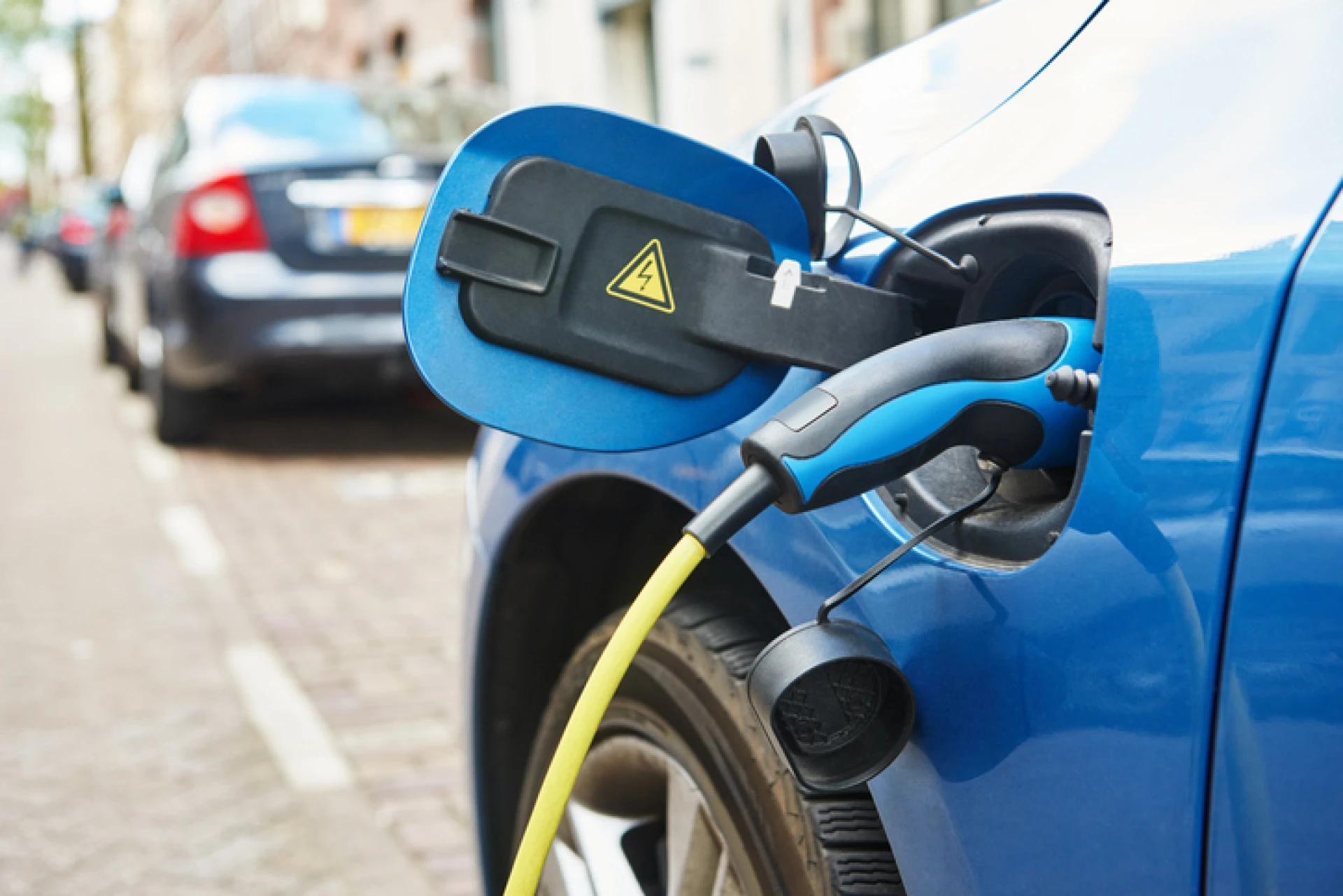
Whereas manufacturers previously had to adapt and certify their systems per Member State, a single harmonized framework is now emerging. This leads to lower costs, reduced administrative burdens, and greater economies of scale. At the same time, it accelerates the rollout of infrastructure for alternative fuels, which is essential for the energy transition in mobility.
For the Netherlands, this is a favorable development. Existing national regulations for compressed gases, such as hydrogen, served as a blueprint for the European approach. As a result, Dutch manufacturers of charging and refueling infrastructure hardly need to adapt their systems. This offers immediate opportunities for scaling up and strengthens their competitive position on the European market.
Important step towards sustainable mobility
The revision underscores the importance of the high-tech sector in the transition to sustainable mobility. Innovative technologies for metering, billing, and safety are crucial for reliable charging and refueling solutions. With uniform European rules, there is more room for innovation, cooperation, and export growth; an important step towards a future-proof mobility system.