Mark Courage, Director Smart Industry, TNO:
“Robotics is not a luxury but a prerequisite for preserving our manufacturing industry. A national agenda provides direction, accelerates adoption and ensures that companies, large and small, gain access to the technologies that will define.”
Leo Warmerdam, Executive Director of Holland High Tech:
“We support the call for a substantive national robotics agenda. Remaining successful, increasing labour productivity and creating new earning capacity requires targeted investment in research and innovation. By setting ambitions for strategic autonomy, including a Dutch control point in the European robotics value chain for cognitive robotics, we can strengthen our future earning capacity.”
The added value of robotics
In the short term, labour shortages are already leading to higher costs and inefficiencies. Within five years, the sector risks a structural competitive disadvantage due to outdated production lines and missed productivity gains.
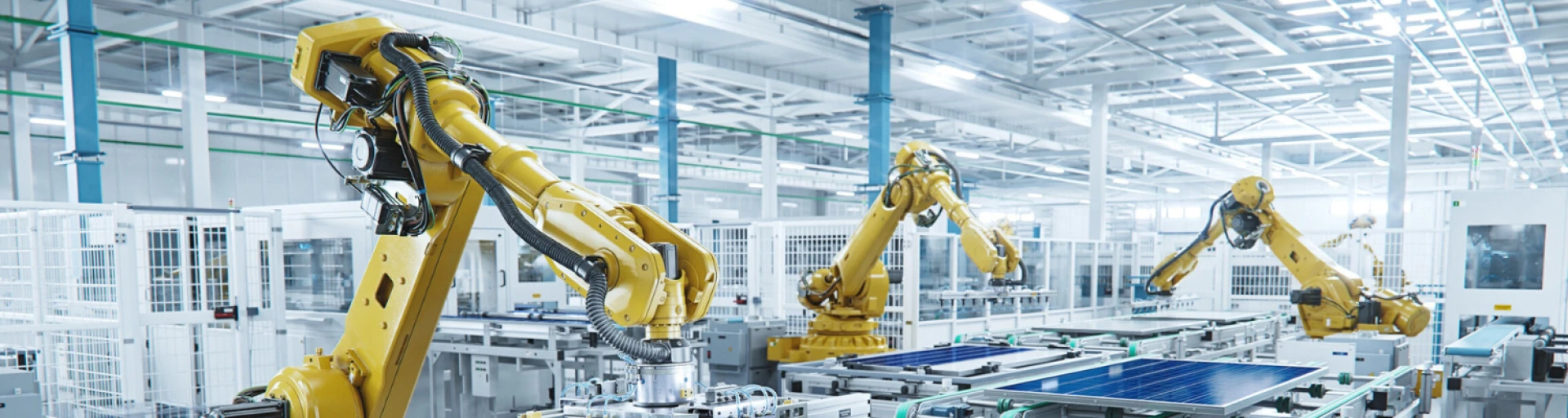
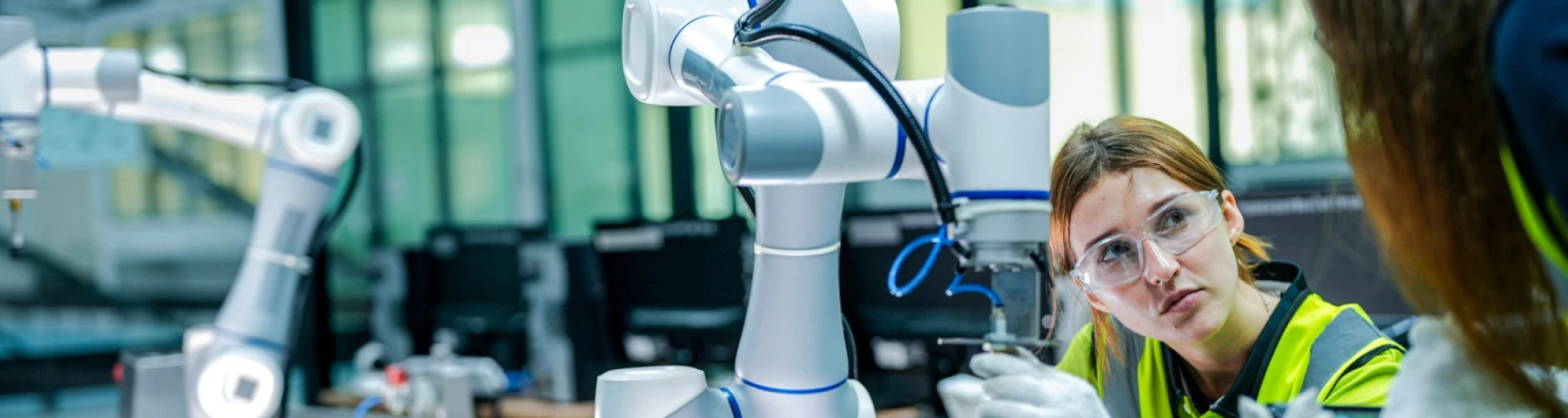
Robotics offers concrete solutions. Robots can operate longer and more consistently, improve quality and reduce failure costs. With the integration of AI, they are evolving into flexible, rapidly programmable systems that are particularly valuable in high-mix, low-volume, high-complexity environments—characteristic of the Netherlands. TNO therefore calls for a national robotics agenda, focusing on knowledge sharing, standardisation, education, international positioning and acceleration for SMEs.
Key recommendations from TNO include:
Awareness and knowledge sharing: national communication, clear insight into ROI and practical, sector-specific guidance
Standardisation and ecosystem strengthening: promoting open-source interoperability, investing in strategic niches and bundling demand to create scale
Education and labour market: continuous learning pathways and mandatory robotics competencies
International positioning: positioning the Netherlands as a European testbed for high-mix, low-volume robotics and strengthening European collaboration
Acceleration for SMEs: through sectoral collaboration, accessible field labs, vouchers and flexible financing models such as Robotics-as-a-Service
Holland High Tech supports the call
Holland High Tech supports TNO’s call and also sees clear opportunities to strengthen the Netherlands’ earning capacity. By investing in cognitive robotics, the Netherlands can develop a strategic control point within the European value chain.
This ambition requires targeted investment in research and innovation, closely linked to key enabling technologies and the National Technology Strategy. Developments in areas such as AI, sensor technology and digitalisation form the foundation for advanced robotics solutions. This also aligns with the priority market for machine manufacturing identified by the Ministry of Economic Affairs, where robotics is both an enabler of productivity and a growth market in its own right.
Crucially, government, industry and knowledge institutions must act together. Only through collaboration, scale and clear strategic choices can the Netherlands strengthen its position and build strategic autonomy within Europe.
Leo Warmerdam, Executive Director of Holland High Tech:
“Robotics, and in particular cognitive robotics, is a domain where the Netherlands can be a global frontrunner. Through the National Technology Strategy and priority markets such as semiconductors, defence and machine manufacturing, Holland High Tech focuses on innovations that strengthen the robotics value chain. The development of cognitive robotics fits perfectly with the Dutch strength in high-mix, low-volume, high-complexity production.”